
Insects in literature have fascinated writers and readers for centuries. These tiny creatures, often overlooked in the natural world, serve as powerful symbols and characters that enrich storytelling across many genres. From ancient fables and folklore to modern science fiction and fantasy, insects embody themes of transformation, cooperation, isolation, and survival. Their unique life cycles and behaviours provide metaphors that illuminate human experiences and societal dynamics. Exploring insects in literature reveals not only the wonders of the natural world but also deep insights into human nature and culture.
Exploring the Role of Insects in Creative Writing
Insects and bugs have long been captivating subjects in creative writing. Their small size and complex behaviours make them ideal for exploring deep themes such as transformation, the interconnectedness of life, and the human condition. From Kafka’s Metamorphosis to the intricate ecology described in magical realism, insects often appear as both literal and metaphorical elements conveying transformation, symbiosis, and isolation.
By examining how insects are used in creative writing—especially their symbolic roles in transformation and interactions with other creatures—we also explore the sense of isolation they can evoke. These tiny, often overlooked creatures provide rich material to explore the broader dynamics of nature and human existence. Additionally, climate change impacts insect populations across various regions, affecting their survival, reproduction, and distribution. Through their smallness, insects magnify the vastness of the natural world, offering writers a unique lens to explore our relationship with it.
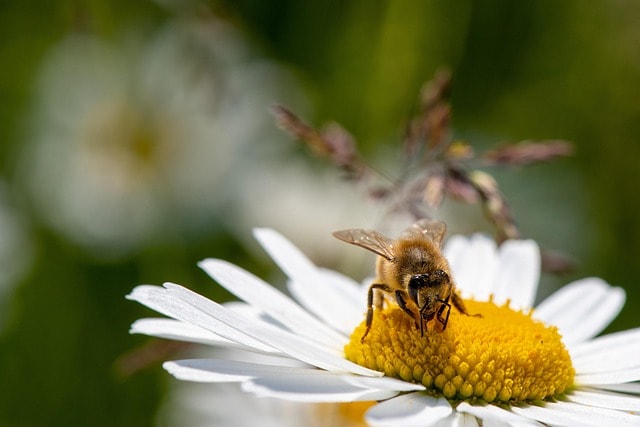
Insects in Literature
Insects have captured human imagination for centuries, appearing in folklore, mythology, and literature worldwide. Researchers have studied the behaviour, physiology, and ecology of insect species, uncovering fascinating details that enrich our understanding of these creatures. In many cultures, insects are woven into storytelling, symbolising everything from rebirth to destruction.
Recently, the study of insects has gained urgency as climate change threatens their populations. Researchers focus on how rising temperatures, shifting precipitation, and extreme weather affect these vital creatures. This growing body of work, supported by peer-reviewed literature, enhances scientific knowledge and deepens the context for insects as symbols of transformation and resilience in literature. By examining insects in literature alongside their responses to environmental changes, we gain a richer appreciation of their role in both the natural world and human culture.
Insects as Symbols of Transformation
One of the most powerful uses of insects in literature is as symbols of transformation. Insects undergo dramatic changes in their life cycles—from larvae to pupa to adult—and this insect metamorphosis has long served as a metaphor for personal or societal change. Similarly, the concept of host shifts in insect populations, where insects adapt to new host plants, can symbolise how individuals or societies adjust to new circumstances.
Perhaps the most famous example is Franz Kafka’s novella The Metamorphosis. In this short story, Gregor Samsa wakes one morning transformed into a giant insect. This unsettling change serves as a metaphor for his alienation from society, family, and his own identity.
Gregor’s monstrous insect form has been interpreted in many ways. Kafka uses this transformation to explore themes of dehumanisation, isolation, and loss of autonomy. Gregor’s new form makes him less human to his family, reflecting his psychological and emotional estrangement. The insect symbolises his inner turmoil and inability to communicate—a theme that resonates deeply in modern literature.
Beyond Kafka, many writers use the insect life cycle as a metaphor for growth, rebirth, or social critique. Insects’ metamorphosis offers a way to depict not only physical change but also shifts in mindset, perception, or circumstance. For example, in magical realism, insects often appear in narratives of spiritual or emotional transformation. The metamorphosis of a character or their relationships may mirror an insect’s growth, representing invisible but powerful processes shaping our lives.
Insects and Symbiosis: Bugs that Work Together
While insects symbolise transformation through their own changes, many species also form symbiotic relationships. This cooperation between different insect species fascinates writers, reflecting the interconnectedness of life and the delicate balance sustaining ecosystems. Writers often draw on these natural relationships to explore themes of cooperation, mutual benefit, and survival.
A classic example is The Secret Life of Bees by Sue Monk Kidd, where human and insect characters form intricate relationships that transcend simple boundaries. The bees are essential to the plot and symbolise the interconnectedness of human lives. Their cooperative role in nature—pollinating flowers and sustaining ecosystems—serves as a metaphor for how people rely on each other for survival, growth, and life’s greater narrative.
Similarly, literature often shows insects working together to support larger communities. Ants, bees, and termites function in colonies, cooperating for the group’s good. These behaviours mirror human social dynamics, whether personal or political. Insects are active participants in larger systems, and their collaboration offers a profound reflection on human solidarity. Their adaptability and resilience to environmental changes, like extreme heat, further emphasise the importance of cooperation in thriving ecosystems.
Ant colonies, with their structured hierarchy and interdependence, have long inspired writers exploring the balance between individual desires and collective responsibility. The story of The Ant and the Grasshopper is a classic example, contrasting the ant’s diligent work ethic—a good example—with the carefree grasshopper, teaching lessons on foresight, cooperation, and preparation. Modern authors may use ants to explore social justice, power structures, or community building.
Beyond ants and bees, parasitic relationships also provide fertile ground for exploring complex interactions. Parasitic wasps lay eggs inside other insects, like caterpillars, where larvae feed on the host. This can symbolise exploitation, dominance, or intrusion into vulnerable systems, highlighting life’s fragility and unseen struggles.

Insects in Isolation: Bugs that Live Alone
On the opposite side, solitary insects—by nature or necessity—offer a powerful narrative tool to explore loneliness, alienation, and existential isolation. While ants and bees represent community, solitary insects like spiders, moths, and certain beetles embody detachment’s loneliness.
In literature, solitary insects often symbolise characters removed from society or struggling with inner conflicts. A lone moth drawn to light can represent unattainable desires or destructive obsessions. Moths, associated with fragility and vulnerability, metaphorically reflect the human condition—how instincts and fears can lead us toward harmful pursuits.
Spiders are common symbols of solitude. In mythology and folklore, they weave webs in dark, secluded corners, creating intricate but solitary structures. The spider’s web represents complex thoughts or emotions hidden from view. Writers use spiders to symbolise introspection, loneliness, or madness. The web can also metaphorically depict the fragile nature of human connections.
Similarly, the caterpillar, often alone before transforming into a butterfly or moth, represents isolation during change. Its solitary journey reflects personal growth, often marked by uncertainty and self-importance. This cocooning process parallels quiet moments before major life changes, whether personal or societal.
Even in nature, many solitary insects have complex survival strategies. Some beetles and bugs live alone most of their lives, only gathering for mating or extreme circumstances. These solitary insects often symbolise individual struggles with physical, emotional, or psychological isolation.
The Science of Insect Adaptation
Insects are remarkable for adapting to diverse environmental conditions. A key physiological adaptation is producing heat shock proteins—molecular chaperones that protect cellular functions during thermal stress. These proteins stabilise and repair damaged proteins, helping insect populations survive temperature fluctuations.
Behavioural adaptations are equally important. Many insects migrate or hibernate to avoid extreme temperatures and find favourable environments. Monarch butterflies, for example, migrate thousands of miles to escape North American winters. Some insects enter diapause, a hibernation-like state, to survive adverse conditions until weather improves.
The Power of Metamorphosis: Transformation and Renewal
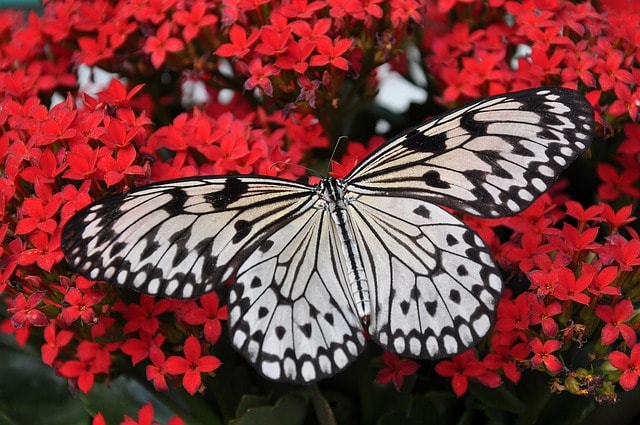
Metamorphosis symbolises transformation and renewal in many cultures. This dramatic change in form and function—from larva to adult—serves as a metaphor for personal growth and renewal. Butterflies and moths emerge from cocoons with new forms, colours, and abilities adapted to adult life. This process inspires artists, writers, and musicians as a symbol of hope and transformation.
Studying insect metamorphosis deepens scientific understanding of these complex processes, offering new insights into transformation and renewal.
Insects have inspired human innovation and creativity throughout history. From ants’ social structures to butterflies’ adaptability, insects have evolved unique solutions to complex problems that inform human design. Scientists and engineers study insect behaviour, biology, and ecology to develop technologies addressing challenges like climate change, food security, and sustainability. For example, insect wings inspire more efficient wind turbines and aircraft designs, while insect colony organisation informs resilient computer networks.
Insect Creative Writing Prompts
- Metamorphosis and Identity: Write a story about a character who wakes up transformed into an insect. How does this reflect their inner changes? What do they learn from their new perspective?
- A Bug’s Perspective: Choose an insect (spider, ant, or beetle) and tell a story from its point of view. How does it experience the world? What challenges or adventures does it face?
- Symbiosis in Nature: Narrate a partnership between two different insect species. Explore their relationship and its impact on their environment or a larger theme of cooperation.
- The Last Butterfly: In a world where nature is disappearing, a character searches for the last butterfly. What role does it play in their quest? How do they reflect on nature’s fragility?
- Isolation of the Moth: Write about a moth trapped indoors, drawn to a light that could destroy it. Use this as a metaphor for human desires or obsessions.
- The Ant Colony: Focus on an ant colony facing invasion by a more aggressive group. Show how they work together through conflict and survival.
- A Bug Beneath the Surface: Imagine insects living underground threatened by a destructive force. How do they respond? What lessons about community and resilience emerge?
- The Bug Whisperer: Tell a story about a child who communicates with insects, forming friendships that affect their human relationships.
- The Parasitic Wasp: Create a character encountering a mystical parasitic wasp that grants powers at a cost. What happens, and what price is paid?
- Insect Artifacts: A researcher discovers a lost civilisation that revered insects. What secrets do they uncover, and how does this affect the present?
The Fascinating Role of Insects in Creative Writing
Insects have inspired some of the most iconic works in literature, from science fiction to realistic nature portrayals. Understanding insect biology and ecology enriches writers’ insights into the natural world and the human condition. Whether as symbols, metaphors, or characters, insects captivate and inspire readers, maintaining a vital role in creative writing.
Insects offer writers unique opportunities to explore human experience complexities. Whether cooperative or solitary, these creatures highlight life’s fragility and resilience. As environmental and social changes accelerate, insects in literature remain a powerful way to reflect on our challenges, beauty, and mystery.
Ready to begin writing your world of insects? Our new courses are now available here!
